
Choosing the right running shoe can be as personal as choosing your favorite running route. Both Mizuno and Asics have carved niches for themselves in the running community, but how do you know which brand will keep you going the extra mile without leaving you sore and sorry?
| Feature | Mizuno | Asics |
|---|---|---|
| Cushioning Technology | U4icX | GEL Technology |
| Weight (Men’s size 9) | 10.9 oz | 10.2 oz |
| Stability Features | ✓ | ✓ |
| Breathability | ✓ | ✓ |
| Price Range | $120 – $160 | $110 – $150 |
| Durability | High | Moderate to High |
✅ mizuno Pros
- Exceptional durability for high-mileage runners.
- Responsive cushioning with U4icX technology.
- Effective stability features for overpronators.
❌ mizuno Cons
- Heavier compared to some competitors.
- Higher price point.
✅ asics Pros
- Lightweight design enhances speed.
- Proven GEL cushioning for superior comfort.
- More affordable for budget-conscious buyers.
❌ asics Cons
- Durability concerns for high-mileage use.
- Lesser stability features compared to Mizuno.
Performance and Cushioning
Mizuno’s U4icX cushioning is a game-changer if you’re pounding the pavement for long distances. It offers a responsive ride that keeps you feeling connected to the ground, ideal for marathoners or those logging heavy miles. Asics’ GEL technology, on the other hand, excels in comfort, absorbing shock efficiently, making it a favorite for everyday runners who prioritize comfort over ground feel. If you’re running 5Ks and 10Ks or just hitting the treadmill, Asics provides a cushy experience without the bulk.
Build Quality and Durability
Mizuno wins hands down when it comes to durability. These shoes are built like tanks, perfect for runners who rack up serious mileage and don’t want to replace shoes every couple of months. Asics, while not as bombproof, offers a decent lifespan. They’re great for more casual runners who might not beat up their shoes as much. If you’re hard on your footwear or have a hefty training schedule, Mizuno is your go-to.
Value for Money
Both brands offer decent bang for your buck, but Asics edges out slightly with a lower starting price. It’s a solid choice if you’re just getting into running or need a reliable shoe without breaking the bank. Mizuno, while pricier, gives you robust features and durability, justifying the cost for serious runners. If you’re looking at a cost-per-mile calculation, Mizuno could actually save you money in the long run.
Here’s the hidden truth you won’t find on the box: Mizuno shoes might feel stiff right out of the gate, requiring a break-in period that could be uncomfortable. Asics, while comfortable from the start, can lose their plush feel faster, especially if you’re a high-mileage user.
Our Final Verdict: Which One Should You Buy?
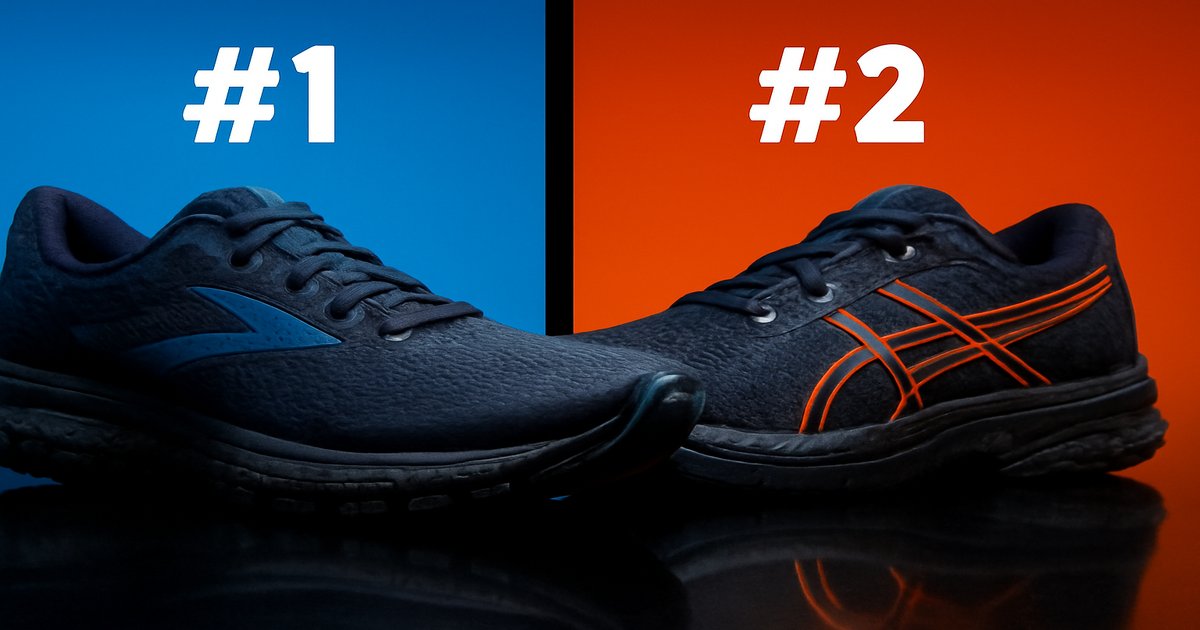
If you’re a high-mileage runner or a marathon enthusiast who doesn’t mind spending a bit more for longevity and stability, Mizuno is your ideal pick. For the casual runner or those just starting out who want immediate comfort and a lighter shoe without a hefty price tag, Asics is the way to go.
Do Mizuno shoes run true to size?
Generally, Mizuno shoes are true to size, but they can feel a bit snug due to their robust build. Consider sizing up if you’re between sizes or prefer extra room.
How long do Asics shoes typically last?
Asics running shoes usually last between 300 to 500 miles, depending on your running style and surface. Keep an eye on the outsole and cushioning for signs of wear.
Are Mizuno shoes suitable for trail running?
Mizuno offers specific trail models like the Wave Daichi, which are tailored for off-road conditions. They provide excellent grip and protection for trail enthusiasts.