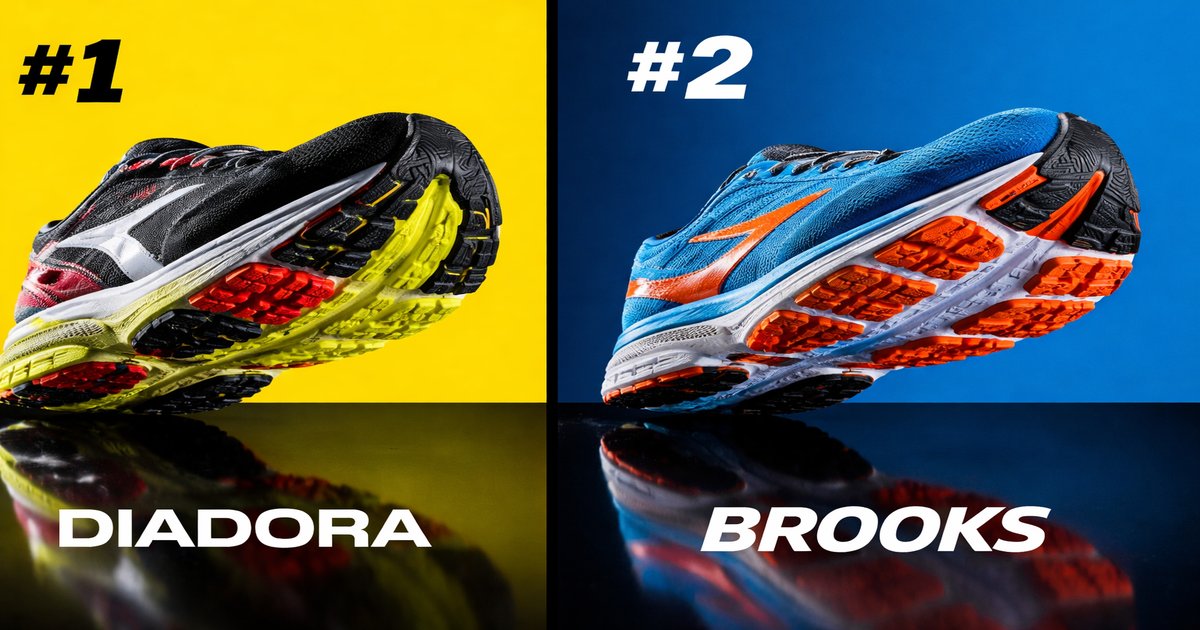
You’re lacing up for that morning run, trying to decide between Asics and Brooks. Both brands are legendary in the running world, but which one really deserves your hard-earned cash? Let’s break it down so you can hit the ground running with confidence.
| Feature | Asics | Brooks |
|---|---|---|
| Arch Support | Stability ✓ | Neutral ✓ |
| Cushioning | Gel Technology | DNA Loft Foam |
| Durability | High ✓ | Moderate ✗ |
| Breathability | Moderate ✗ | High ✓ |
| Weight | Heavy ✗ | Light ✓ |
| Price Range | $100 – $160 | $110 – $150 |
✅ asics Pros
- Excellent stability for overpronators
- Long-lasting durability
- Innovative Gel cushioning for shock absorption
❌ asics Cons
- Heavier than many alternatives
- Moderate breathability
✅ brooks Pros
- Lightweight and comfortable
- Superior breathability for hot days
- Responsive cushioning with DNA Loft Foam
❌ brooks Cons
- Moderate durability
- Less stability for overpronators
Performance on the Road
Asics shoes excel in offering stability, making them a boon for overpronators. Their Gel cushioning is like strapping clouds to your feet, particularly on hard pavement. But that comes with extra weight, something you’ll feel during long-distance runs. Brooks, on the other hand, are built with DNA Loft Foam, offering a springier, lighter run. If speed is your game, Brooks will give you that extra edge, especially in races or tempo runs.
Build Quality and Durability
Asics take the crown here with their robust build and materials that scream longevity. You can pound the pavement for miles before they show signs of wear. Brooks are lighter and more breathable, but that comes at the cost of durability. You might find yourself replacing them sooner if you’re logging serious mileage. Think of Asics as a long-term investment and Brooks as a nimble, short-term ride.
Value for Money
Both brands sit in a similar price range, but what you get for your money differs. Asics offer great value for those needing stability and durability, which can save you cash on replacements down the line. Brooks, while slightly cheaper on average, deliver on comfort and breathability, but you might find yourself buying a new pair sooner. Consider how often you run and where your priorities lie.
Asics can feel like strapping on a pair of bricks if you’re not used to the weight, which might deter casual runners. Brooks, though lighter, can wear out faster in the soles, especially if you’re tackling rougher terrains. Don’t say I didn’t warn you!
Our Final Verdict: Which One Should You Buy?
For the runner who needs stability and long-term durability, Asics is your go-to. They’re perfect for overpronators and those who don’t mind a bit of extra weight for the sake of a cushioned ride. If you’re a neutral runner who values lightweight comfort and breathability above all, Brooks is your match. They’re ideal for speed demons and those who run in warmer climates.
Are Asics shoes suitable for high arches?
Asics are generally more focused on stability and are better suited for overpronators. If you have high arches, look for their neutral models.
How do Brooks handle wet conditions?
Brooks shoes offer good grip, but their high breathability means they can soak through quickly. Consider a water-resistant model if rain is common.
How long do these shoes typically last?
Asics can last up to 500 miles or more with their durable build. Brooks may need replacing closer to the 350-400 mile mark, especially with frequent use.