
You’re at the gym, ready to crush your workout, but your shoes are holding you back. You need footwear that can keep up with the demands of high-intensity training and weightlifting. Enter the Reebok Nano and Nike Metcon – two titans in the world of cross-training shoes.
| Feature | Reebok Nano | Nike Metcon |
|---|---|---|
| Heel Height | 4 mm | 4 mm |
| Drop-In Midsole | ✗ | ✓ |
| Flexibility | Moderate | High |
| Durability | High | High |
| Price Range | $130-$150 | $130-$160 |
| Breathability | High | Moderate |
| Arch Support | Neutral | Neutral |
✅ reebok nano Pros
- Exceptional stability for heavy lifts.
- Breathable upper that keeps feet cool.
- Durable construction that withstands wear.
❌ reebok nano Cons
- Stiffer sole can be uncomfortable for long runs.
- Heavier than some competitors.
- Limited color options.
✅ metcon Pros
- Versatile for a variety of workouts.
- Drop-in midsole adds cushioning and comfort.
- Lightweight design improves agility.
❌ metcon Cons
- Moderate breathability can lead to sweaty feet.
- Less stable for maximum weightlifting.
- Pricey for casual users.
Performance During Workouts
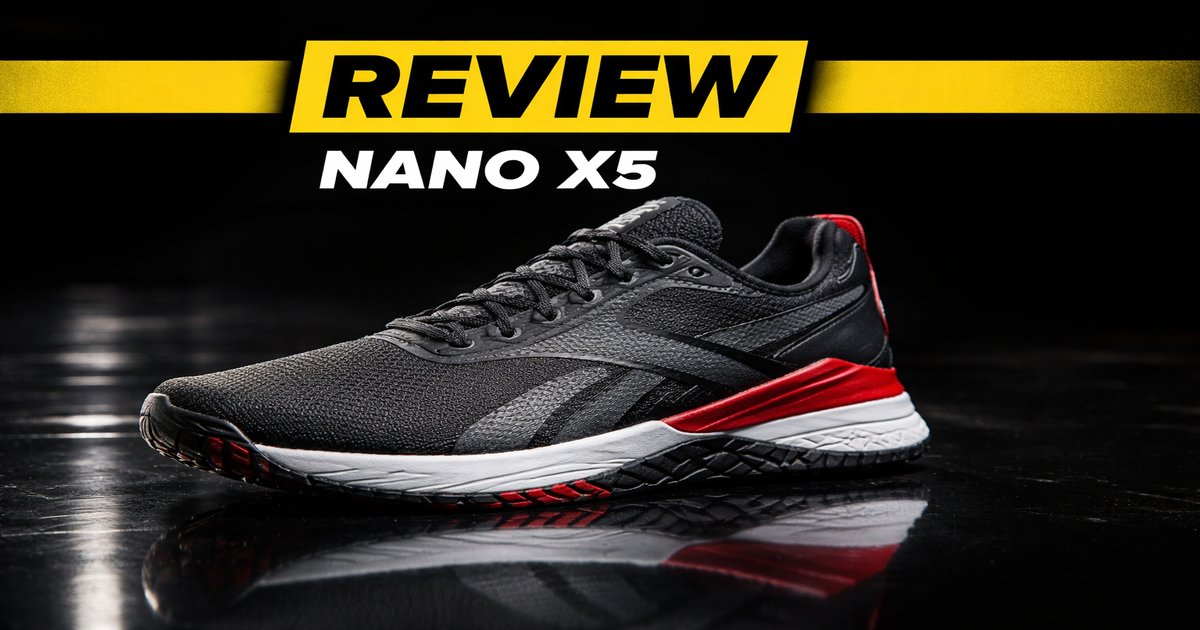
The Reebok Nano shines in stability, making it ideal for serious weightlifters. If you’re focusing on squats or deadlifts, the Nano keeps your feet planted firmly. On the other hand, the Nike Metcon offers more versatility, excelling in varied workouts from HIIT to CrossFit. Its drop-in midsole provides extra comfort during dynamic movements, which is a godsend during those long, grueling circuits.
Build Quality and Design
Both shoes boast durability, but the Nano’s construction is slightly more robust. Its breathable upper is a lifesaver in hot gyms, preventing your feet from feeling like they’re trapped in a sauna. The Metcon, while durable, focuses more on flexibility. Its lightweight design and sleek profile make it a top choice for those who prioritize agility and speed over pure powerlifting capability.
Value for Money
Reebok’s Nano offers substantial value if your primary goal is heavy lifting. Its durability means you won’t be replacing them anytime soon. However, if you’re after a shoe that can handle a broad spectrum of activities, the Metcon might justify its higher price tag. Its versatility ensures you won’t need multiple pairs of shoes cluttering up your gym bag.
Both shoes have their quirks. The Nano’s stiff sole may not be your best friend during sprints or long jogs, while the Metcon’s moderate breathability can make your feet feel swampy during intense sessions. These are not deal-breakers, but they can affect your workout experience.
Our Final Verdict: Which One Should You Buy?
If you’re a powerlifter or someone who prioritizes stability and durability, the Reebok Nano is your go-to. It’s built like a tank but still manages to keep your feet cool. For those who need a versatile, all-around performer that can handle anything from CrossFit to cardio, the Nike Metcon is the better choice. Its comfort and flexibility make it perfect for the dynamic athlete.
How do these shoes fit compared to regular trainers?
The Reebok Nano typically fits true to size, though some users find it slightly wider, which is great for stability. The Nike Metcon may run a bit narrow, so consider going half a size up if you have wider feet.
Are these shoes compatible with orthotics?
Both the Nano and Metcon can accommodate custom orthotics, though the Metcon’s drop-in midsole might need a bit of adjustment to fit perfectly.
How long do they last with regular use?
With regular gym use, both shoes should last anywhere from 8 to 12 months, depending on the intensity of your workouts and the surfaces you train on.