You’re on a mission to find the perfect pair of walking shoes, and it’s down to the On Cloud and Hoka iterations. You’ve heard the hype, but which one will really keep your feet happy on those long strolls through the park or city streets?
| Specification | On Cloud | Hoka Walking |
|---|---|---|
| Weight | 230g (Men’s size 8.5) | 290g (Men’s size 9) |
| Cushioning | ✓ Moderate | ✓ Maximum |
| Drop | 6mm | 4mm |
| Breathability | ✓ | ✓ |
| Arch Support | Neutral | Enhanced |
| Price Range | $130 – $150 | $140 – $160 |
✅ on cloud Pros
- Lightweight design makes it feel like you’re walking on air.
- Sleek, minimalist look suitable for casual wear.
- Good breathability keeps your feet cool during long walks.
❌ on cloud Cons
- Moderate cushioning might not be enough for those seeking plush comfort.
- Pricey compared to similar neutral walking shoes.
✅ hoka for walking Pros
- Outstanding cushioning for maximum comfort on long distances.
- Enhanced arch support, great for those needing more stability.
- Durable build suitable for various terrains.
❌ hoka for walking Cons
- Heavier than other walking shoes, which might be a downside for some.
- Bulky design may not appeal to everyone.
Performance and Comfort
When it comes to performance, On Cloud delivers a lightweight experience that feels almost like wearing nothing at all. This minimalistic approach is refreshing, especially if you’re someone who likes to keep things simple and light. However, Hoka takes the cake in terms of comfort with its plush cushioning. If you’re planning on walking for hours or have a history of foot pain, Hoka’s extra padding and support will feel like a godsend. It’s all about what you’re prioritizing: weightlessness or cloud-like comfort.
Build Quality and Durability
On Cloud shoes have a robust yet flexible build, making them fairly durable for everyday walking. However, if you’re tackling rugged terrains or need something that can handle a bit more abuse, Hoka’s shoes are built like tanks. They’re slightly heavier, but they offer a thicker sole and reinforced construction that can withstand the elements and miles better. If durability and all-terrain capability are on your checklist, Hoka should be your go-to.
Value for Money
Both brands sit in a similar price range, but what you’re paying for differs. On Cloud offers value through style and lightness, making it a versatile option for casual wear. Hoka, on the other hand, justifies its price with unparalleled cushioning and durability. If every dollar spent must translate into foot comfort over long distances, Hoka provides a better return on investment. Consider how you plan to use the shoes before making the call.
While both shoes perform well in their categories, On Cloud’s breathability might not hold up in wet conditions, leaving you with damp feet. On the flip side, Hoka’s remarkable cushioning can feel a bit too bouncy for some, almost like walking on a trampoline. Consider trying these on in-store if you can.
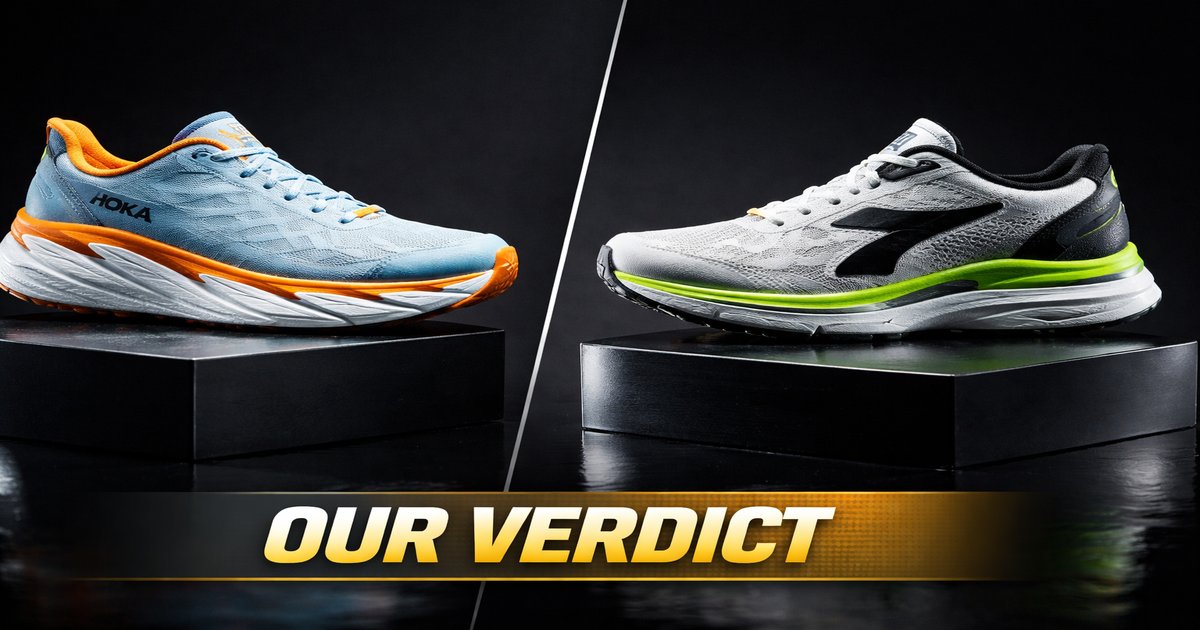
Our Final Verdict: Which One Should You Buy?
If you’re looking for a stylish, lightweight shoe that you can wear all day, On Cloud is your pick. Ideal for city walkers or those who value aesthetics and breathability. However, if you prioritize foot health, need extra arch support, and walk long distances frequently, Hoka is your best bet. Its extra cushioning and durability make it a must-have for serious walkers or those with specific foot concerns.
How do these shoes fit?
On Cloud shoes generally fit true to size, but some find them slightly narrow. Hoka shoes tend to run a bit wide, which is great if you have broader feet.
Are these shoes suitable for running?
While both are designed for walking, Hoka’s enhanced support makes it more suitable for light running. On Cloud is best kept for walking and casual use.
How long can I expect these shoes to last?
With regular use, On Cloud shoes can last about 300-400 miles, while Hoka’s robust build might stretch up to 500 miles, especially on mixed terrains.