
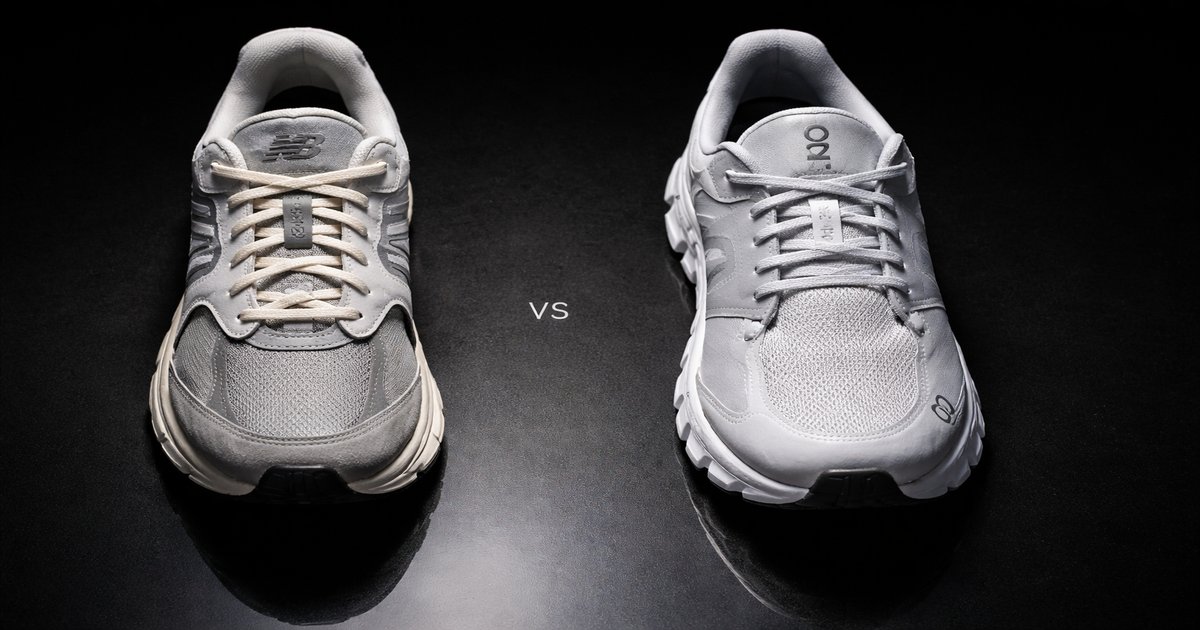
If you’re on the hunt for the perfect walking shoe, you’ve probably stumbled upon Hoka and On Cloud. Both brands promise comfort and support, but which one will actually keep your feet happy on those long strolls through the park or bustling city streets? Let’s dive into the nitty-gritty.
| Feature | Hoka for Walking | On Cloud |
|---|---|---|
| Weight | 10.1 oz | 8.1 oz |
| Cushioning | Maximal | Moderate |
| Arch Support | ✓ | ✓ |
| Breathability | Moderate | High |
| Water Resistance | ✗ | ✓ |
| Price Range | $130 – $160 | $120 – $160 |
✅ hoka for walking Pros
- Exceptional cushioning for longer walks.
- Solid arch support for those with flat feet.
- Durable outsole that handles varied terrains.
❌ hoka for walking Cons
- Heavier than most walking shoes.
- Less breathable, can get warm on hot days.
- Not waterproof, avoid puddles.
✅ on cloud Pros
- Lightweight design, easy on the feet.
- Highly breathable, perfect for warm weather.
- Good water resistance for rainy walks.
❌ on cloud Cons
- Less cushioning for long-distance comfort.
- Moderate arch support might not suit everyone.
- Sole durability could be improved.
Performance: Cushioning vs. Weight
Hoka’s standout feature is its maximal cushioning. It’s like walking on clouds, but not the On Cloud kind—more like the plush, marshmallow type. If you’re hitting the pavement for extended hours, this cushioning can be a lifesaver, absorbing shock and reducing foot fatigue. However, that comfort comes at a cost: weight. At 10.1 oz, Hokas are noticeably heavier than On Clouds. On Cloud shoes, on the other hand, are featherweight at 8.1 oz, making them ideal for those who prefer a nimble feel or have less intense walking sessions.
Build Quality: Durability vs. Breathability
Hoka shoes have a reputation for durability, particularly their tough outsoles that tackle different terrains like a champ. They can endure the rough and tumble of daily walks without breaking a sweat. However, they do falter when it comes to breathability. Your feet might feel like they’re in a sauna on hot days. On Cloud shoes excel in breathability, with mesh uppers that keep your feet ventilated. Their water resistance is also a plus, but the sole’s durability doesn’t quite match up to Hoka’s standards.
Value: Price vs. Features
Both brands sit in a similar price bracket, but what you’re paying for differs. Hoka offers superior cushioning and arch support, making it a solid choice for those with specific foot needs or who are on their feet for long periods. On Cloud, while slightly cheaper on average, provides great value for those who prioritize a lightweight, breathable shoe with good water resistance. If you’re a fair-weather walker or prefer shorter jaunts, On Cloud might be the better bang for your buck.
Hoka’s comfort and support are almost unbeatable, but they can feel a bit clunky over time. If you need a shoe that can handle wet conditions or you have sweaty feet, On Cloud is the better choice despite its lesser cushioning. Consider your environment and daily needs before making a decision.
Our Final Verdict: Which One Should You Buy?
For comfort seekers or those with specific foot support needs, Hoka is your go-to. It’s perfect for long-distance walkers or those who prioritize cushioning over weight. If you’re more about lightweight agility and often find yourself walking in warmer or unpredictable weather, On Cloud is the shoe for you. It offers breathability and water resistance that might just make your strolls more enjoyable.
Are Hoka shoes good for arch support?
Yes, Hoka shoes are renowned for offering excellent arch support, ideal for people with flat feet or those needing extra support.
Do On Cloud shoes run true to size?
Generally, On Cloud shoes fit true to size, but it’s recommended to try them on if possible, as some users report a snug fit.
How long do these shoes typically last?
Hoka shoes tend to last 300-500 miles depending on usage and terrain, while On Clouds might wear out sooner, especially if used on rugged surfaces.