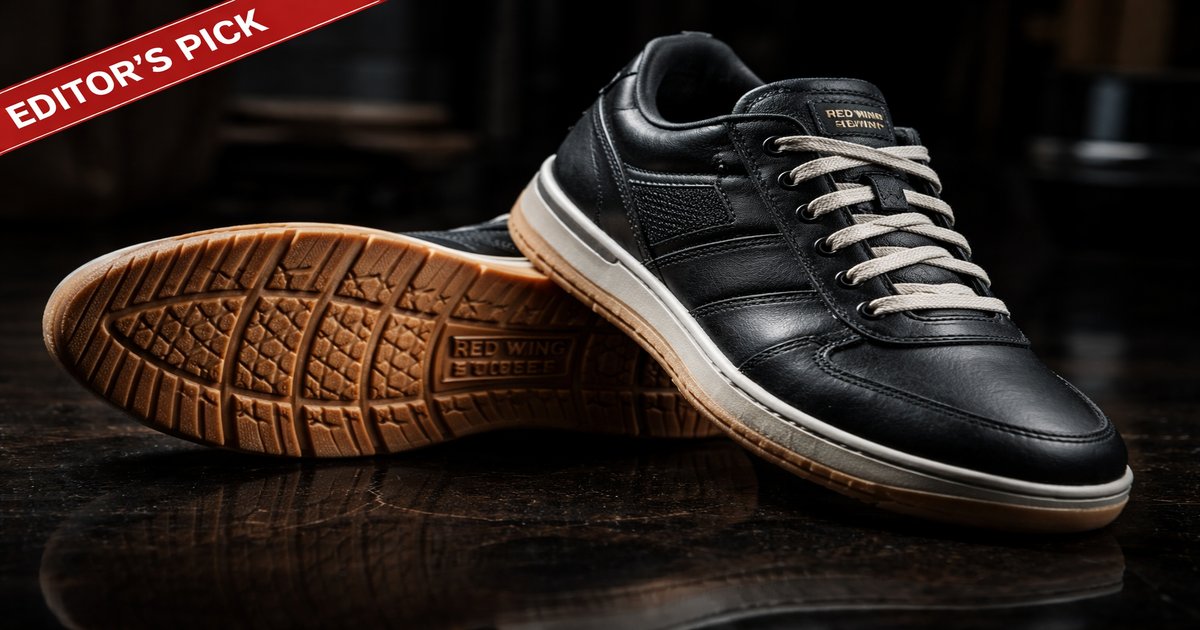


If you’re pounding the pavement or tackling rugged terrain all day, your boots better be up to the task. You’ve probably heard of Redwing and Carhartt, two titans in the work boot world. These brands cater to the hardworking folks who demand durability, comfort, and style. But which one will carry you from dawn till dusk without breaking a sweat—or your feet?
| Feature | Redwing Boots | Carhartt Boots |
|---|---|---|
| Price Range | $250 – $350 | $150 – $250 |
| Material | Full-Grain Leather | Oil-Tanned Leather |
| Waterproof | ✓ | ✓ |
| Safety Toe | ✓ | ✓ |
| Insulation | ✓ | ✗ |
| Warranty | 1 year | 6 months |
✅ redwing Pros
- Exceptional durability with full-grain leather.
- Excellent insulation for cold conditions.
- Classic style that suits various environments.
❌ redwing Cons
- Higher price point.
- Longer break-in period required.
✅ carhartt boots Pros
- Affordable without compromising essential features.
- Comfortable right out of the box.
- Lightweight, making them ideal for long shifts.
❌ carhartt boots Cons
- Less durable than Redwing over the long term.
- Limited insulation options.
Performance and Comfort
Redwing boots are an investment in comfort and performance, especially if you’re battling harsh weather. The insulation keeps your feet warm, and the full-grain leather molds to your foot over time, providing a custom fit. However, this comes with a caveat—you need to be patient during the break-in period. Carhartt boots, on the other hand, are ready to go as soon as you slip them on. They’re lighter, which is a blessing if your job involves a lot of walking or standing. But don’t expect them to keep your feet as toasty if you’re out in the cold.
Build Quality and Durability
Redwing’s full-grain leather construction is no joke. These boots are built to withstand the abuse of harsh environments, and they’ll likely outlast most competitors if properly maintained. Carhartt boots use oil-tanned leather, which offers decent protection, but they can’t match the resilience of Redwing’s materials. If you’re rough on your boots and need them to last, Redwing’s the way to go. Carhartt sacrifices some durability for the sake of affordability, which is perfect if you replace your boots seasonally.
Value for Money
Carhartt boots are the clear winner when it comes to budget-friendly options. They offer solid protection and comfort without burning a hole in your pocket. Redwing boots, while pricier, deliver superior longevity and craftsmanship. You’ll spend more upfront, but the long-term value is undeniable if you’re planning to use them extensively. If your budget allows for it and you value quality over initial cost, Redwing is the better investment.
Most reviews won’t tell you that Redwing boots can feel stiff and unforgiving for the first few weeks. It’s a trade-off for the durability you’re getting. Carhartt boots might seem like they’re a steal, but the leather can wear down faster, especially in demanding environments. If you’re in wet conditions frequently, the waterproofing on both brands is solid, but regular maintenance is key to longevity.
Our Final Verdict: Which One Should You Buy?
If you’re someone who values rugged durability and can afford to wait for the break-in period, Redwing is your match, especially if you’re working in cold or harsh conditions. They’re the go-to for the long haul. However, if you’re on a budget and need something comfortable straight away, Carhartt is your friend. Perfect for those who want a reliable boot without the heavy investment.
Do Redwing or Carhartt boots fit true to size?
Redwing boots often run a bit large, so consider sizing down by half a size. Carhartt boots generally fit true to size, but it’s always good to check specific models.
How long can I expect these boots to last?
With proper care, Redwing boots can easily last several years. Carhartt boots might give you a solid one to two years, depending on usage.
Are these boots suitable for all weather conditions?
Both brands offer waterproof options, but Redwing provides better insulation for cold weather. Carhartt is more suited for mild climates due to limited insulation.