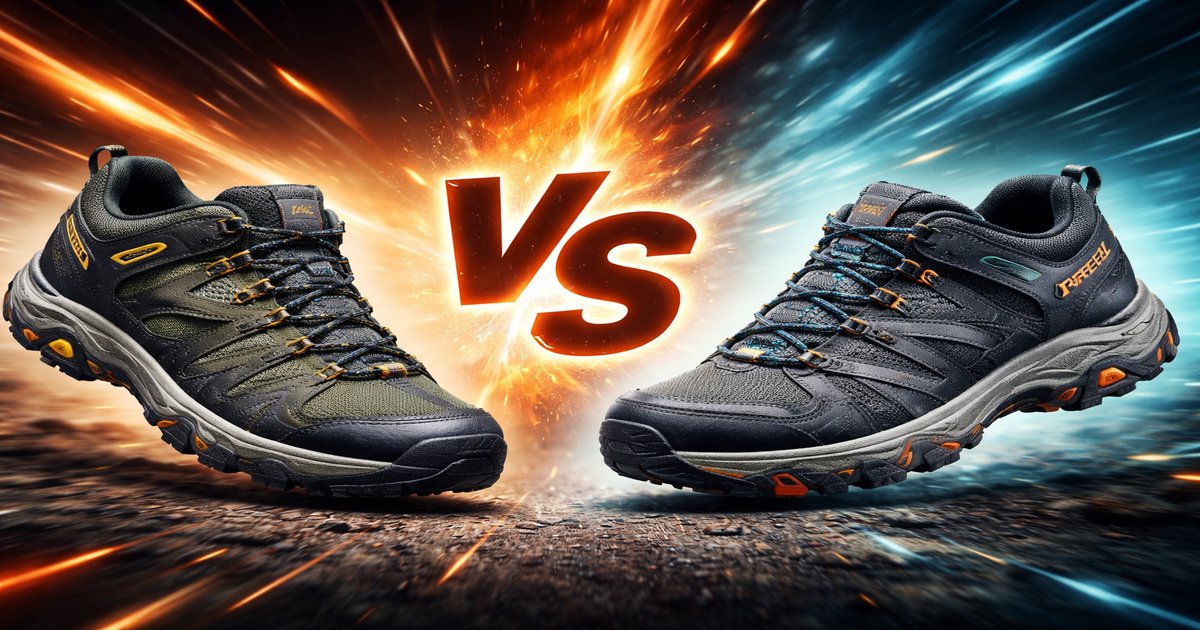
You’re eyeing a pair of barefoot shoes and stuck between VivoBarefoot’s Primus and the Gobi. You want something minimal yet durable for both urban streets and nature trails. Let’s break down which shoe will fit your lifestyle like a glove—or more accurately, like a second skin on your feet.
| Feature | Gobi | Vivobarefoot Primus |
|---|---|---|
| Weight | 8.8 oz | 7.2 oz |
| Material | Suede Leather | Recycled PET Mesh |
| Water Resistance | ✗ | ✓ |
| Breathability | ✓ | ✓ |
| Flexibility | Moderate | High |
| Price | $145 | $125 |
✅ gobi Pros
- Luxurious suede leather offers a stylish look.
- Breathable material perfect for casual wear.
- Durable for everyday city use.
❌ gobi Cons
- Not water-resistant, avoid wet conditions.
- Heavier than its competitor.
- Pricier than the Primus.
✅ vivobarefoot primus Pros
- Lightweight design is perfect for running.
- Water-resistant, ideal for mixed terrains.
- Made from eco-friendly materials.
❌ vivobarefoot primus Cons
- Less formal appearance due to mesh design.
- May wear out faster in urban environments.
- Limited color options.
Performance
When it comes to performance, the Vivobarefoot Primus takes the lead. The lightweight and water-resistant features make it an ideal choice for those who love to run both on and off the beaten path. Its flexibility allows your foot to move naturally, reducing fatigue and promoting better posture. On the other hand, the Gobi is more suited for casual wear and light strolls. Its heavier suede build isn’t designed for high-intensity activities, but it does provide more protection on harder surfaces.
Build Quality
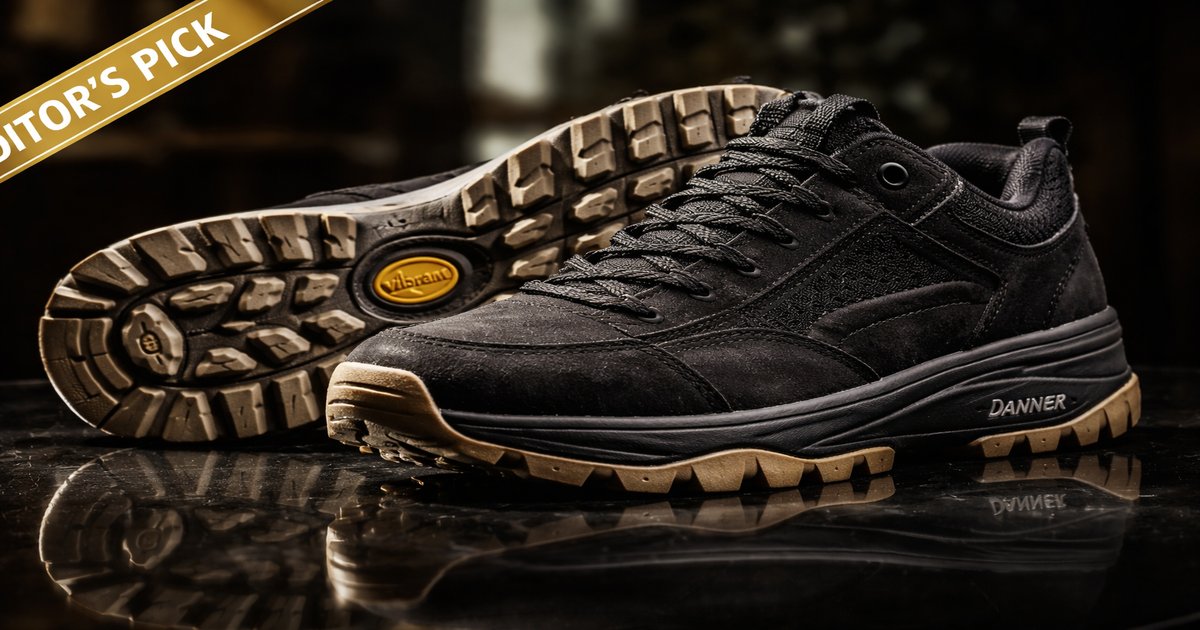
The Gobi’s suede leather construction offers a luxurious feel and a more formal look, which is perfect for a night out or a day in the office. However, it doesn’t hold up well in wet conditions. In contrast, the Primus uses recycled PET mesh, making it a sustainable option that performs well in various conditions. While the mesh material isn’t as durable in urban environments, it excels in providing breathability and quick drying after exposure to moisture.
Value
The Primus comes in at a lower price point, making it a more economical choice for those who need a versatile shoe for both running and trail adventures. Its eco-friendly materials also add value for environmentally conscious buyers. The Gobi, though more expensive, offers a stylish, quality build that suits those prioritizing aesthetics and comfort in less demanding conditions. You’re paying for the look and feel with the Gobi, whereas the Primus offers bang for your buck in performance.
The Gobi might look great, but it’s not the shoe for rainy days or muddy trails. Its leather construction will absorb moisture and lead to discomfort. The Primus, while excellent for running and trails, may not last as long if you’re pounding pavement daily. Also, the lack of color choices can be a turn-off if you like your footwear to make a statement.
Our Final Verdict: Which One Should You Buy?
If you’re a city dweller who values style and comfort for everyday wear, the Gobi is your go-to. Its suede design fits seamlessly into a more formal wardrobe. For the adventurous runner or hiker who needs a shoe that can handle various terrains and weather conditions, the Vivobarefoot Primus is the better option. It’s lightweight, versatile, and environmentally friendly.
How does the fit compare between the Gobi and the Primus?
The Gobi tends to fit more snugly due to its leather material, which can stretch over time. The Primus offers a more flexible fit, ideal for those with wider feet.
Are these shoes suitable for winter conditions?
Neither shoe is designed specifically for winter. The Gobi lacks water resistance, while the Primus is not insulated for warmth.
How long can I expect these shoes to last?
With moderate use, the Gobi can last over a year, especially if cared for properly. The Primus might wear out quicker if used frequently on rough urban surfaces.