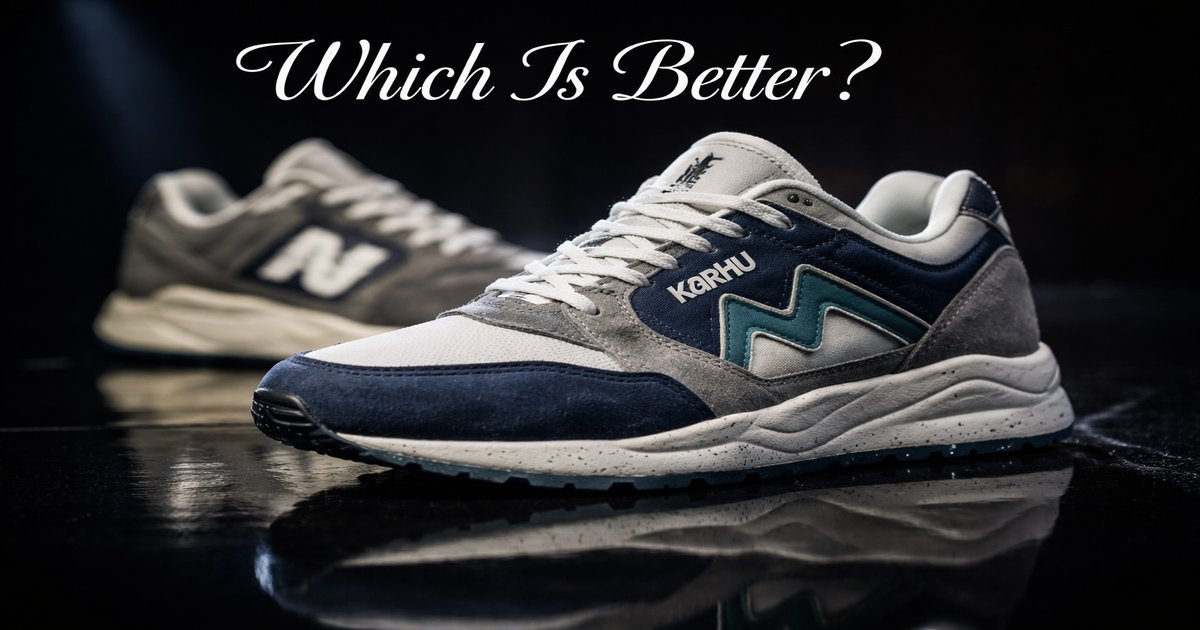
You’re in the market for a new pair of running shoes, but the choices are overwhelming. Karhu and New Balance are two brands that keep popping up, each promising comfort and performance. Let’s break these down so you can hit the road with confidence.
| Feature | Karhu | New Balance |
|---|---|---|
| Price Range | $120 – $160 | $100 – $200 |
| Arch Support | Neutral | Neutral, Stability |
| Cushioning Technology | Fulcrum | Fresh Foam, FuelCell |
| Weight | 9 oz | 7.8 – 10.5 oz |
| Durability | ✓ | ✓ |
| Wide Sizes Available | ✗ | ✓ |
✅ karhu Pros
- Innovative Fulcrum technology for smooth transitions.
- Excellent durability for long-lasting use.
- Unique Scandinavian design aesthetics.
❌ karhu Cons
- Limited availability in wide sizes.
- Higher price point for certain models.
- Not as widely available in retail stores.
✅ new balance Pros
- Variety of cushioning technologies for different preferences.
- Wide range of sizes, including wide options.
- More affordable entry-level options.
❌ new balance Cons
- Heavier models can be cumbersome for long runs.
- Designs can be hit or miss in terms of style.
- Inconsistent fit between different models.
Performance
Karhu’s Fulcrum technology is a game-changer if you’re looking for smooth transitions and enhanced propulsion during your run. It’s perfect for runners who appreciate a unique blend of support and responsiveness. New Balance, however, offers a variety of cushioning technologies like Fresh Foam and FuelCell, which cater to runners seeking either plush comfort or speed. If you’re a marathon runner or someone who frequently changes pace, New Balance might offer the versatility you need.
Build Quality
Both brands excel in durability, but there are differences in construction. Karhu shoes are built like Scandinavian tanks—durable and stylish but sometimes feeling a bit rigid. New Balance shoes, with their range of fits and cushioning options, offer more flexibility in terms of comfort. If you’re someone who values a shoe that can take a beating while looking good, Karhu is solid. For those prioritizing comfort and fit, especially if you have wider feet, New Balance has the upper hand.
Value
When it comes to value, you get what you pay for with both brands, but in different ways. Karhu’s higher price tag comes with the assurance of advanced technology and design, which are great if you’re looking for something out of the ordinary. New Balance, on the other hand, offers a wider range of prices and models, making it easier to find a shoe that fits both your needs and your budget. For budget-conscious runners, New Balance presents more options without significant compromise on quality.
Karhu might not be the first brand that comes to mind, but its Fulcrum technology is worth the investment if you’re serious about your running form. New Balance, while offering more variety, can be a bit of a gamble with sizing unless you know your specific fit well. Also, don’t expect Karhu to be widely available in brick-and-mortar stores.
Our Final Verdict: Which One Should You Buy?
If you’re a runner who values innovation and doesn’t mind paying a premium for unique technology, Karhu is your brand. It’s ideal for those who are serious about their performance and appreciate Scandinavian design. On the other hand, if you need a reliable, comfortable, and more affordable option that offers a variety of fits and cushioning types, New Balance is your go-to. It’s especially suitable if you have wider feet or are on a budget.
Do Karhu shoes fit true to size?
Karhu shoes generally fit true to size, but they tend to run narrow. Consider sizing up if you have wide feet.
How do New Balance shoes hold up over time?
New Balance shoes are known for their durability, thanks to quality materials and construction. They can withstand regular use, making them a good long-term investment.
Which brand offers better cushioning?
Both brands offer excellent cushioning, but New Balance provides more options to choose from, such as Fresh Foam for a softer feel and FuelCell for responsiveness.