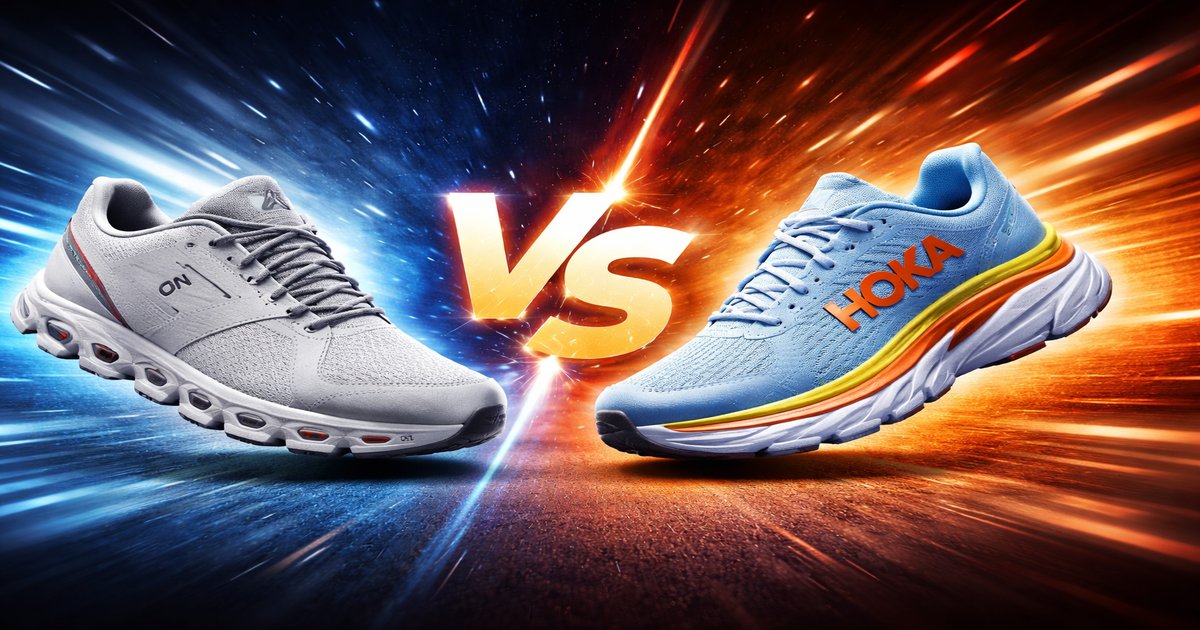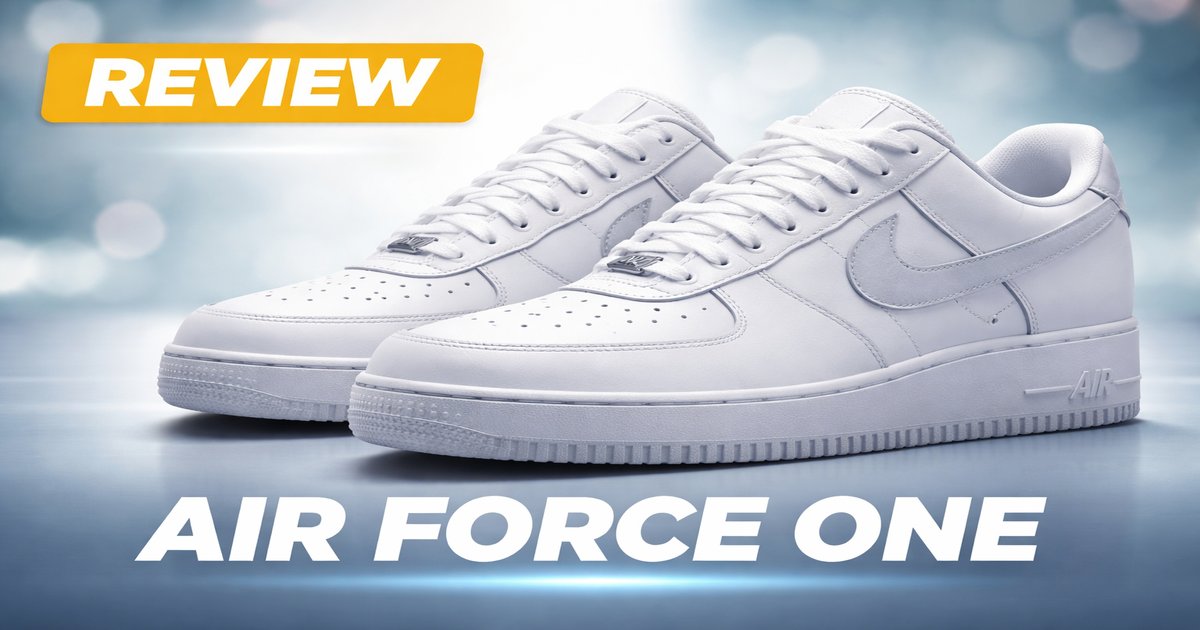
You’re lacing up for your morning run, but you’re stuck staring at your shoe rack. On one side, the reliable On Shoes, known for their unique CloudTec cushioning. On the other, the iconic Nike, boasting years of innovation and a style that’s hard to beat. Which one deserves a place on your feet today?
| Feature | On Shoes | Nike |
|---|---|---|
| Cushioning Technology | CloudTec | Zoom Air |
| Weight | 8.1 oz (Men’s 9) | 10 oz (Men’s 9) |
| Arch Support | ✓ | ✓ |
| Price Range | $130 – $180 | $100 – $250 |
| Breathability | ✓ | ✓ |
| Durability | ✓ | ✓ |
✅ On Shoes Pros
- Exceptional cushioning with CloudTec technology.
- Lightweight design for faster runs.
- Stylish and minimalist aesthetic.
❌ On Shoes Cons
- Higher price point compared to average running shoes.
- Limited color options.
✅ Nike Pros
- Wide range of styles and colorways.
- Proven Zoom Air cushioning for comfort.
- Broader size availability.
❌ Nike Cons
- Heavier than On Shoes.
- Inconsistent fit across different models.
Performance
When it comes to performance, On Shoes and Nike cater to slightly different needs. On Shoes are perfect for those who prioritize a light, responsive feel. Their CloudTec cushioning helps you feel like you’re running on clouds, which is fantastic for short to mid-distance runs. Nike, on the other hand, with their Zoom Air technology, provides a more robust cushioning that’s great for longer runs or runs on harder surfaces. If you’re looking to shave off seconds from your personal best, the lighter On Shoes might give you that edge, but for durability and overall foot support, Nike stands strong.
Build Quality
Both brands offer high-quality builds, but they approach it differently. On Shoes are crafted with a focus on minimalist design and Swiss engineering precision. The materials feel premium, yet they might not withstand rough terrains as well as Nike. Nike shoes often feature durable materials that can take a beating, making them a better choice for trail runs or rugged conditions. If you’re someone who runs on varied surfaces or is tough on shoes, Nike might be the safer bet.
Value
Value is where the decision might get tricky. On Shoes typically sit in the higher price bracket, appealing to those who appreciate premium design and innovative tech. They’re an investment in comfort and style. Nike offers a broader price range, allowing for more flexibility if budget is a concern. You can find reliable, stylish shoes that don’t break the bank, but they might not offer the same level of innovation as On Shoes. Decide what matters more: cutting-edge tech or budget-friendly reliability.
Both On Shoes and Nike have their hidden quirks. On Shoes, while cushy, can wear down faster if you’re pounding the pavement daily. Nike’s sizing can be inconsistent, so if you’re ordering online, double-check the size chart or try them in-store if possible. Don’t underestimate the importance of testing them in real-world conditions before committing.
Our Final Verdict: Which One Should You Buy?
If you’re a style-conscious runner who appreciates innovative, lightweight footwear, On Shoes are your go-to, especially if you focus on shorter runs. They’re ideal for those who don’t mind paying a bit extra for that cloud-like comfort. For the versatile runner who needs a wide range of styles and prices, or if you want something that will hold up under tough conditions, Nike is the way to go. Their robust offerings and cushioning tech make them perfect for the long haul.
Do On Shoes fit true to size?
On Shoes tend to run true to size, but if you have wider feet, you might need to size up for a more comfortable fit.
Are Nike shoes suitable for trail running?
Yes, Nike offers specific models designed for trail running, such as the Nike Wildhorse and Terra Kiger, which provide extra grip and durability.
How long do On Shoes typically last?
On Shoes can last anywhere from 300 to 500 miles depending on terrain and usage, similar to most high-quality running shoes.